If generating a clip or image becomes nearly effortless, a creator can publish more. So can everyone else. The supply of material expands, but the hours in a listener’s day do not. That imbalance matters more than a demo showing how quickly a campaign can be assembled. A tool that saves one artist time may also raise the expected volume of posts for every artist.
The pressure already predates generative AI. Feeds reward regular presence, and independent creators often fear disappearing when they pause to make a substantial work. Automation can ease the mechanics of keeping in touch. It can also turn a reasonable cadence into an endless obligation to manufacture proof of activity.
A better use of the tool would protect scarcity where scarcity is valuable. Summarize a long studio note for fans; do not invent a daily story that never happened. Prepare accessible captions for a real performance; do not replace performances with a stream of fabricated moments. Help a person say what they mean in the channels they can sustain.
We should measure success in more than output count. Did the artist have more time to practice? Did the audience understand the work better? Did the communication build a relationship rather than fill a slot? If the answer is no, the tool may have made the treadmill faster rather than giving anyone a way off it.
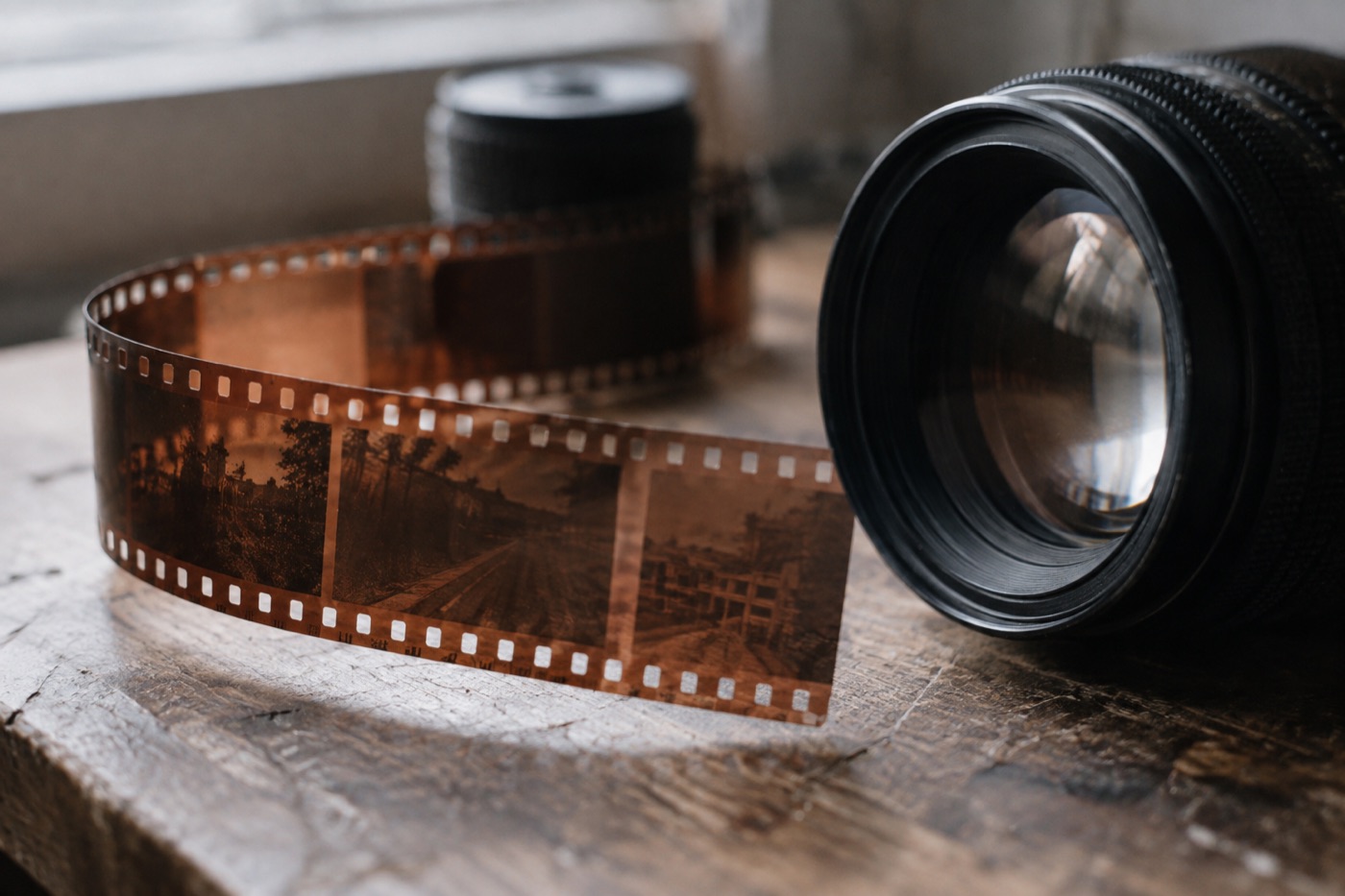
This is perspective, not a reported interview. AI-assisted drafting and original generated editorial artwork were reviewed for publication; the artwork does not depict a documented event.