A tool can identify repetition, propose a headline, or shorten a sentence. Those are useful operations. An editor asks whether the story is true, whether the evidence supports the claim, whether a missing voice changes the conclusion, and whether the reader will understand what matters. Those questions may require more reporting rather than faster copy.
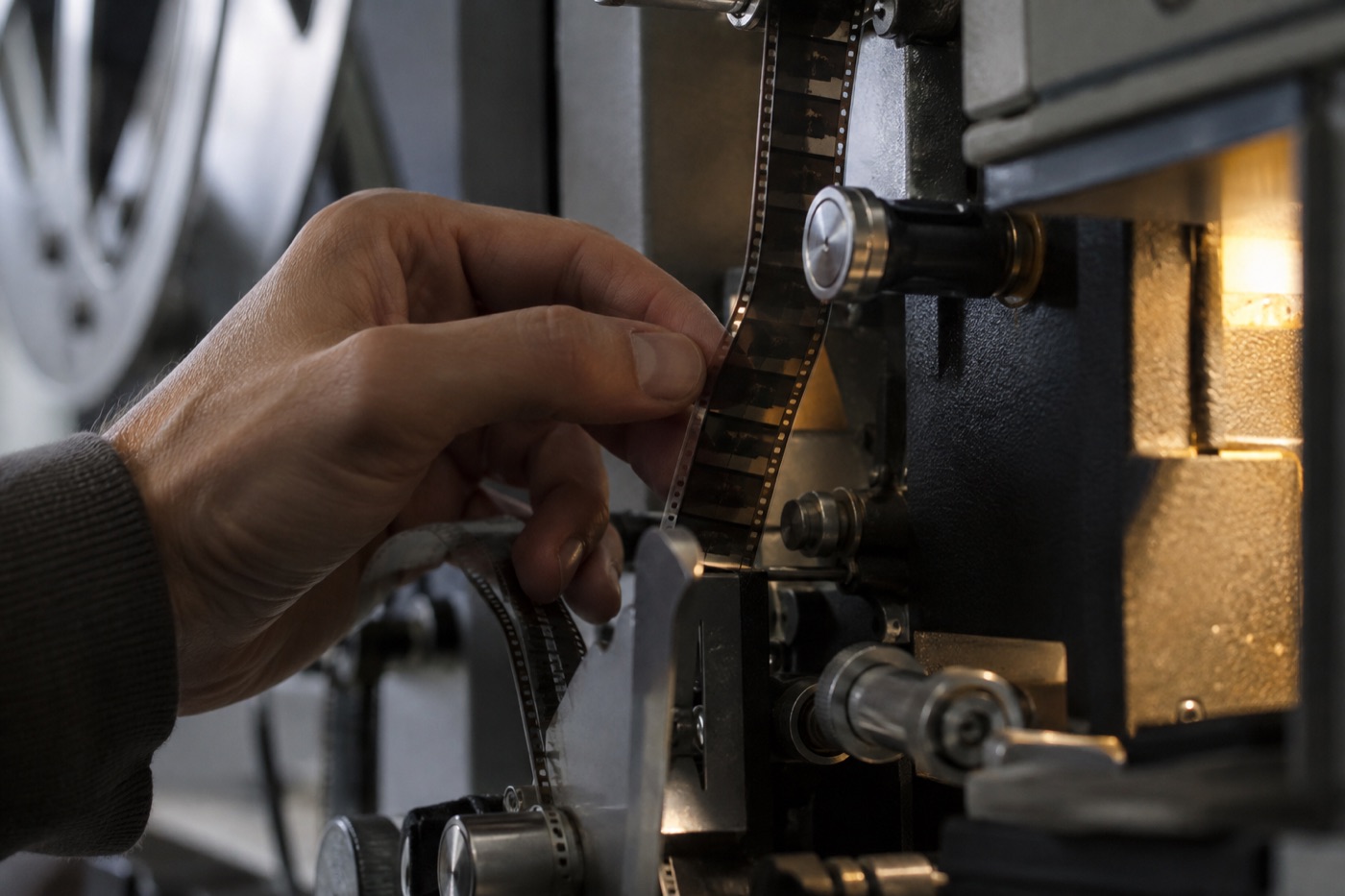
The distinction appears in visual work too. A photo editor does not simply choose the sharpest frame. They consider sequence, context, fairness to a subject, and what a crop might imply. A film editor can reorganize footage so that a performance gains meaning. These are interpretive decisions with ethical consequences.
Automation can create time for that work. Let it prepare transcripts and compare versions. Ask a human editor to challenge the argument and check the source. If there is no editorial budget, build a slower self-review process and seek a knowledgeable second reader for consequential claims.
Replacing clerical editing is not the same as replacing editorial judgment. A publication that forgets the difference may become more fluent while becoming less reliable.
This is analysis, not a reported interview. AI-assisted drafting and original generated editorial artwork were reviewed for publication; the artwork does not depict a documented event.