Small creative budgets are often spent on a scattering of one-off graphics that disappear within days. A better design brief begins with what must last. Is it a visual identity, a reusable release template, an accessible type system, or a single cover that can anchor the campaign? A designer can build a durable system while software handles repetitive sizes and exports.
The client should disclose practical constraints early: budget, deadlines, platform formats, existing assets, and any generated concepts already used. The designer should be able to say which parts can be automated safely and where human judgment is worth the fee. That conversation is more productive than pretending the budget is larger than it is or that automation has no place.
The deliverables matter. Ask for clear rights, source files where appropriate, accessibility notes, and instructions for future use. If the work may be modified with generative tools later, discuss that before signing. A narrow commission with an honest scope is better than a vague “full campaign” that leaves both people dissatisfied.
AI does not remove the need for design thinking. It does make it more important to spend limited human attention where it compounds over time.
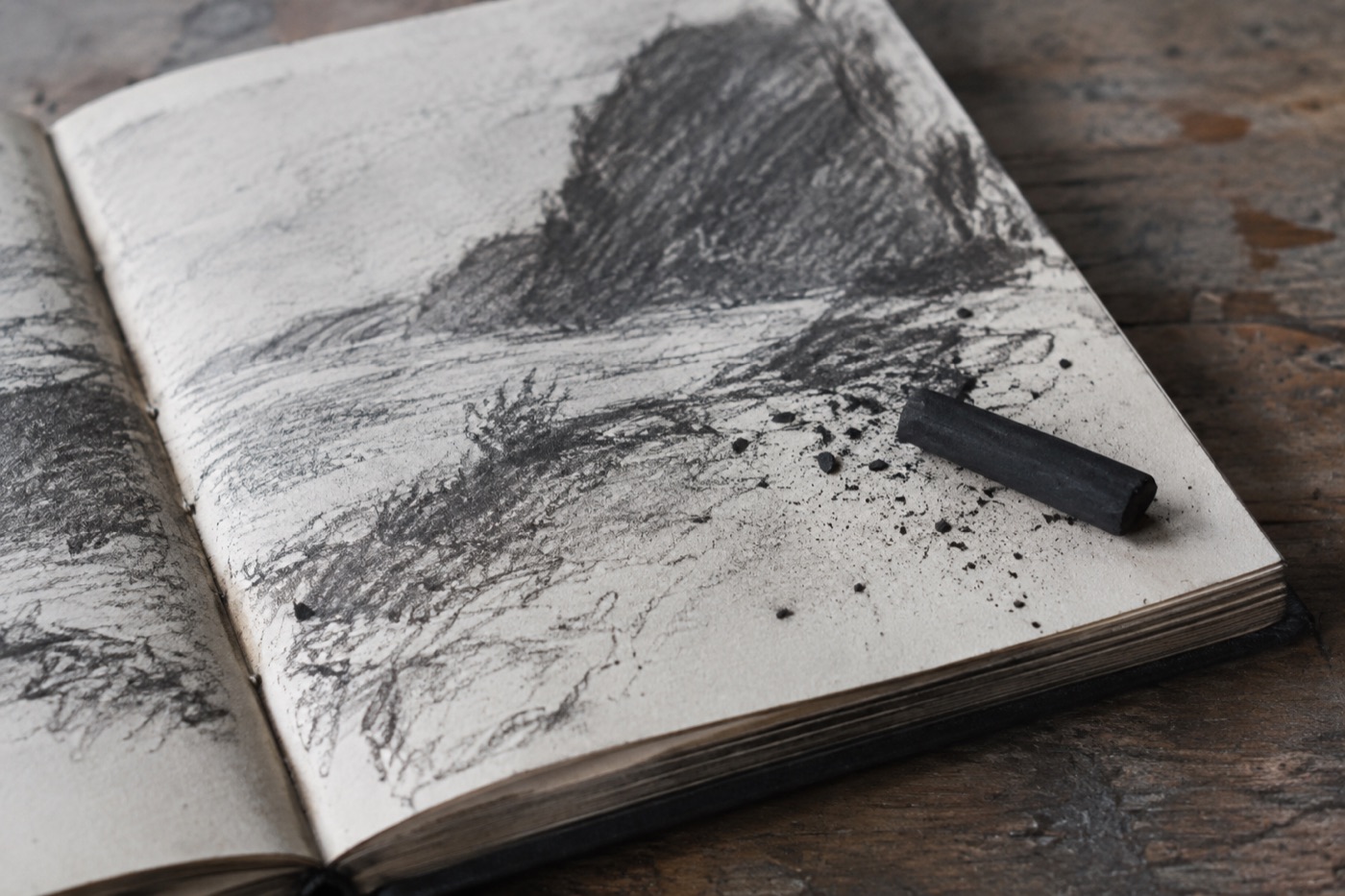
This is guide, not a reported interview. AI-assisted drafting and original generated editorial artwork were reviewed for publication; the artwork does not depict a documented event.